Free shipping sitewide!* View Details
Free shipping sitewide!* View Details

Skid Plates Explained: What They Do, What They Protect, and Do You Need Them?
September 9, 2026
0
skid plates
skid plate protection
skid plate benefits
What Are Skid Plates?
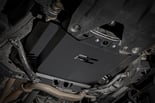
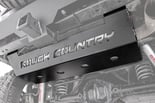
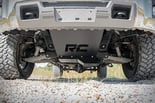
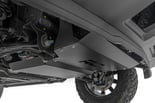
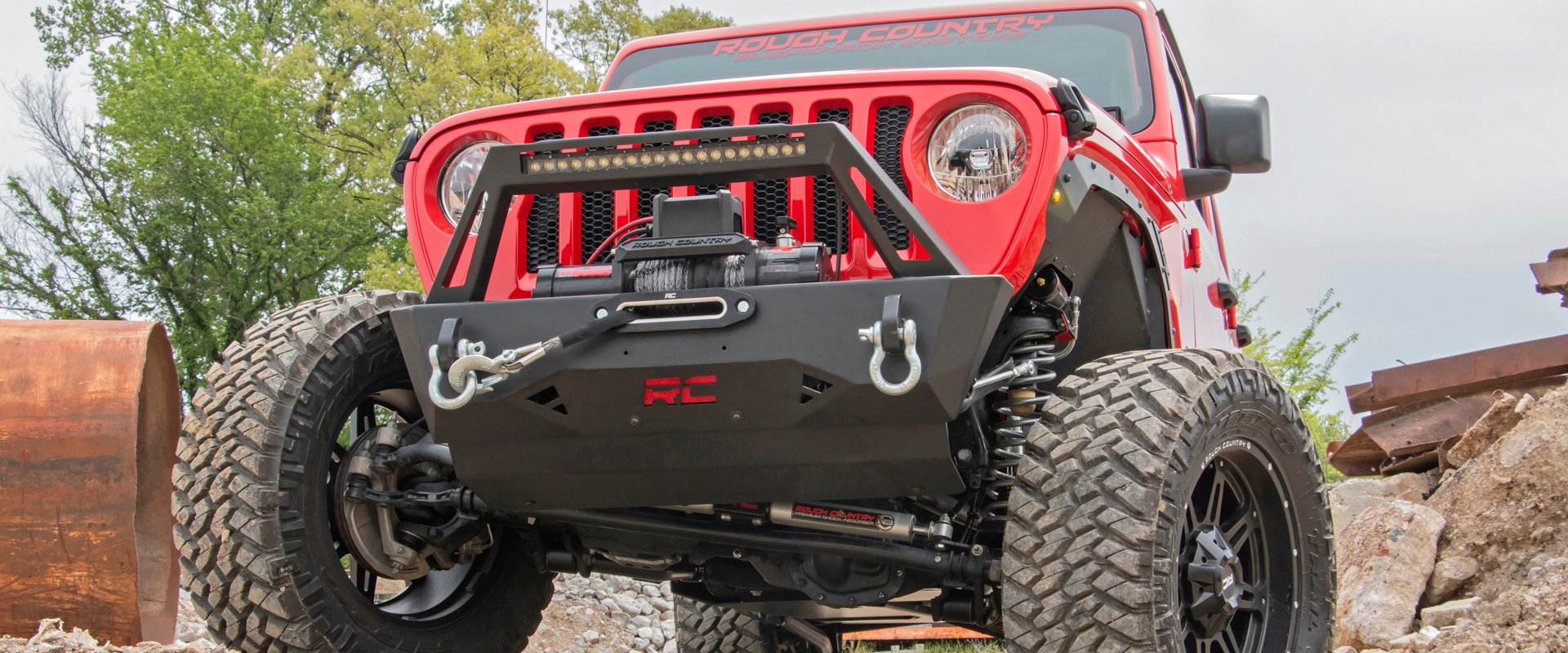
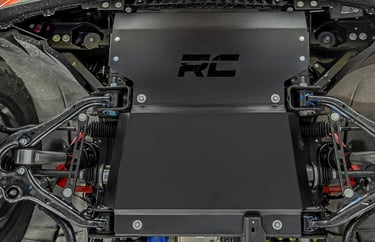
Skid plates are protective panels mounted underneath a truck, Jeep, SUV, or UTV to help prevent damage from contact with rocks, debris, ruts, and other obstacles.
Most off-road skid plates use steel or aluminum and mount beneath vulnerable components. Instead of an obstacle striking the component directly, the skid plate takes the contact and helps create a protective barrier between the vehicle and the trail.
You might also hear skid plates described as underbody protection, undercarriage protection, belly armor, or off-road armor.
What Do Skid Plates Do?
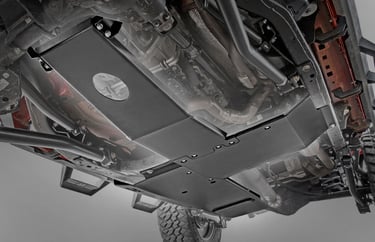
Skid plates protect vulnerable underbody components from direct impacts while driving over rough terrain.
Picture your vehicle crossing a deep rut with a large rock in the center. Even if the tires clear the obstacle, the center of the vehicle might not. Without protection, the rock might strike an oil pan, transfer case, differential, exhaust component, or another exposed part.
A skid plate puts durable material between the obstacle and the component you want to protect.
Skid plates are especially useful for:
- Rock crawling
- Trail riding
- Overlanding
- Hunting and outdoor use
- Rocky terrain
- Deep or washed-out ruts
- Forest and gravel roads
- Uneven jobsite or farm terrain
The rougher the terrain, the more likely your vehicle is to benefit from additional underbody protection.
Get the Latest from Rough Country
Sign up for our newsletter to receive product updates, exclusive deals, and off-road tips straight to your inbox.
What Parts Do Skid Plates Protect?
Skid plates protect the parts underneath your vehicle most likely to contact an obstacle.
Coverage varies by vehicle and skid plate design. Some protect one component, while others cover a larger section of the underbody.
Engine and Oil Pan
Engine skid plates help protect the oil pan and other lower engine components.
The oil pan is an important area to protect because a hard impact or puncture leads to oil loss and puts the engine at risk.
Front and engine skid plates are often one of the first areas off-road drivers consider protecting.
Transmission and Transfer Case
Transmission and transfer case skid plates protect drivetrain components located near the center of the vehicle.
These areas become vulnerable when a vehicle crosses rocks, ledges, or deep ruts where the center of the underbody makes contact.
Differentials
Differential skid plates and guards help protect the differential housing from rocks and other trail obstacles.
Differentials often sit low beneath an off-road vehicle, making them an important area to consider when building underbody protection.
Fuel Tank
Fuel tank skid plates shield the tank from direct contact with rocks, debris, and uneven terrain.
Some vehicles include factory fuel tank protection, while others leave more of the area exposed. Check what is already underneath your vehicle before deciding what additional coverage you need.
Exhaust and Muffler
Exhaust components sometimes sit lower than drivers expect.
Muffler and exhaust skid plates help protect exposed parts of the exhaust system from rocks, ledges, and other trail obstacles.
Suspension Components
Some skid plates protect lower control arm mounts and other suspension areas exposed underneath the vehicle.
These component-specific plates give drivers another option for protecting the parts most likely to take a hit on their vehicle.
Rough Country offers several types of vehicle-specific skid plates and underbody protection, including front, differential, fuel tank, exhaust, suspension, high-clearance, and broader skid protection options.
Which Skid Plates Do You Need First?
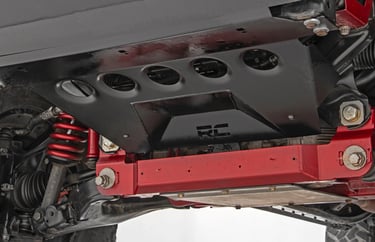
Start by protecting the lowest and most exposed components under your vehicle.
There is no single order that works for every truck or Jeep because underbody layouts differ. Still, the engine, oil pan, transmission, transfer case, differentials, and fuel tank are common areas to inspect first.
Use this approach:
- Look underneath your vehicle.
- Identify the lowest components.
- Check what factory protection you already have.
- Find exposed areas between factory plates.
- Think about where your vehicle usually makes contact on the trail.
- Add protection based on your terrain and driving style.
For mild trails, front and engine protection might address your main concerns.
For rocky or technical trails, broader drivetrain, differential, fuel tank, exhaust, and suspension protection might make more sense.
Do You Need Front and Rear Skid Plates?
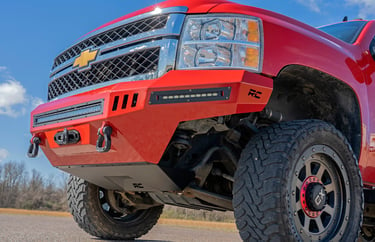
You do not always need skid plates at both ends of your vehicle. The right coverage depends on which components are exposed and the terrain you drive.
Front skid plates often protect areas around the engine and front underbody.
Farther back, additional skid plates might protect the transmission, transfer case, fuel tank, differential, exhaust, or suspension components.
Instead of choosing skid plates based only on front or rear placement, focus on which parts of your vehicle need protection.
Are Factory Skid Plates Enough?
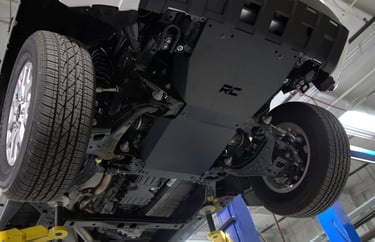
Factory skid plates might provide enough protection for light off-road use, but coverage varies widely between vehicles and trim levels.
Some vehicles leave the factory with solid protection around key areas. Others have limited coverage or lighter underbody panels.
Look underneath your vehicle before adding aftermarket protection.
Check whether you already have coverage around the:
- Engine
- Oil pan
- Transmission
- Transfer case
- Differentials
- Fuel tank
- Exhaust
Then look for gaps.
Aftermarket skid plates help add protection where the factory setup leaves components exposed or where your type of off-roading calls for more coverage.
What Is the Difference Between a Skid Plate and a Splash Shield?
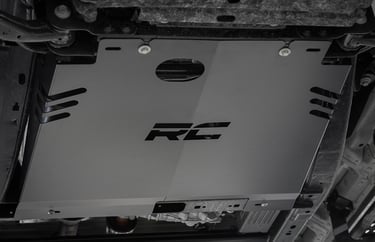
A skid plate protects against impacts. A splash shield primarily helps block water, dirt, mud, and road debris.
This distinction matters because the two parts often sit in similar locations underneath a vehicle.
Splash shields commonly use lighter plastic or composite construction. Their main purpose is protection from road debris and environmental exposure.
Skid plates use stronger materials and mounting designs intended to handle contact with rocks and other solid obstacles. Current automotive guidance continues to distinguish plastic splash shields from heavier-duty metal skid plates intended for impact protection.
If you plan to drive rocky or deeply rutted trails, do not treat a lightweight splash shield as the same type of protection as an off-road skid plate.
Steel vs. Aluminum Skid Plates: Which Is Better?
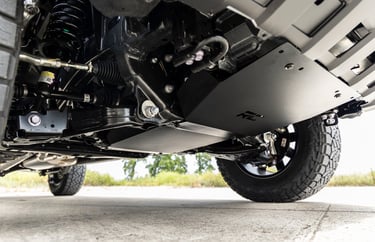
Steel skid plates focus on impact resistance and durability, while aluminum skid plates reduce weight and resist rust. The better choice depends on how you use your vehicle.
Steel Skid Plates
Steel is a popular choice for off-road skid plates because it handles repeated contact and hard impacts well.
Common advantages include:
- Strong impact resistance
- Good abrasion resistance
- Durability on rocky trails
- Strong protection for demanding off-road use
The main consideration is weight. Steel protection generally weighs more than comparable aluminum protection.
Rough Country uses steel construction across many of its current skid plate offerings.
Aluminum Skid Plates
Aluminum offers lower weight and strong corrosion resistance.
For drivers watching overall vehicle weight, aluminum offers another option for underbody protection.
Material alone does not tell you how a skid plate will perform. Thickness, shape, mounting points, reinforcement, coverage, and overall design all matter.
Recent off-road guidance still treats steel versus aluminum as a tradeoff between factors such as weight, impact resistance, abrasion resistance, and corrosion resistance rather than declaring one material best for every vehicle.
Do Skid Plates Reduce Ground Clearance?
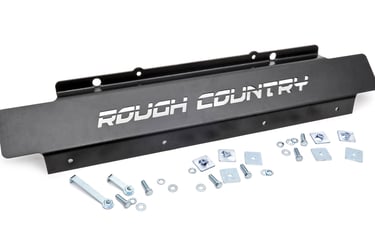
A skid plate might affect ground clearance depending on its thickness, shape, mounting position, and the component it protects.
Vehicle-specific skid plates are designed around the available space beneath the vehicle. Some designs tuck close to the underbody, while high-clearance skid plates focus on maintaining as much space as possible between the vehicle and the trail.
Rough Country currently offers both standard and high-clearance skid protection within its skid plate lineup.
If ground clearance is important to your build, check the mounting design and product fitment before choosing a skid plate.
Will Skid Plates Fit with a Lift Kit?
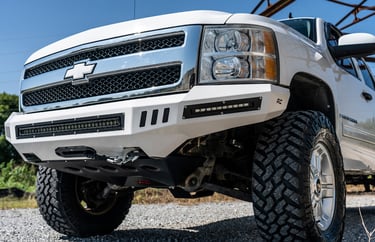
Yes, many skid plates work with lifted trucks and Jeeps. Choose skid plates designed for your vehicle and suspension setup.
Some skid plates work with stock and lifted vehicles, while others are designed around specific crossmembers, lift systems, or mounting locations.
When shopping for skid plates, check compatibility with your:
- Year, make, and model
- Trim and drivetrain
- Engine configuration
- Lift height
- Suspension system
- Crossmember setup
- Bumper or recovery equipment
- Exhaust configuration
A lift kit and skid plates serve different purposes and often work together on an off-road build. The lift provides additional clearance, while skid plates add protection for vulnerable components underneath the vehicle.
Are Skid Plates Hard to Install?
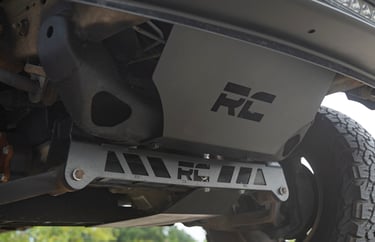
Many vehicle-specific skid plates use bolt-on mounting points, but installation difficulty varies by vehicle and product.
Some installations use existing mounting locations and basic hand tools. Others involve removing factory protection, brackets, crossmembers, or other components before the new skid plate goes into place.
Before installation, check:
- Required tools
- Mounting locations
- Included hardware
- Existing factory protection
- Lift or suspension compatibility
- Clearance around surrounding components
Review the installation instructions before starting so you know what the job requires.
How Do You Choose the Right Skid Plate?
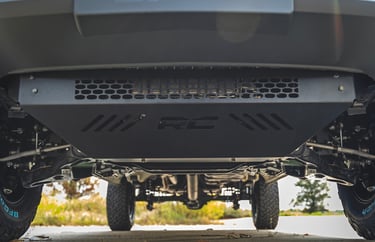
Choose a skid plate based on your vehicle, the component you want to protect, your existing protection, and the terrain you drive.
Start with these questions:
What Do You Want to Protect?
Identify the component or area most exposed underneath your vehicle.
What Protection Do You Already Have?
Check factory skid plates before adding more. You might need to fill a specific gap rather than replace the entire system.
What Terrain Do You Drive?
Mild forest roads and rocky technical trails put different demands on underbody protection.
Is Your Vehicle Modified?
Verify compatibility with lift kits, suspension systems, bumpers, crossmembers, exhaust systems, and other modifications.
How Does the Skid Plate Mount?
Mounting design matters because the plate needs strong attachment points and proper clearance around nearby components.
Does It Fit Your Exact Vehicle?
Fitment varies by year, make, model, trim, drivetrain, engine, and other vehicle configurations.
Rough Country offers skid plates and related underbody protection for a broad range of truck, Jeep, SUV, and UTV applications. Use the Shop by Vehicle feature to narrow the options to products designed for your specific vehicle.
Build Your Underbody Protection Around the Trail
The best skid plate setup is the one built around your vehicle and where you drive.
Start with the components most exposed to trail impacts. Check your existing factory protection, identify the gaps, and add skid plates where you need more coverage.
For mild trails, one or two key skid plates might provide the protection you want. For tougher terrain, broader underbody protection helps shield more of the drivetrain, fuel system, exhaust, differentials, and suspension areas.
Rough Country offers vehicle-specific skid plates and underbody protection designed for off-road builds ranging from weekend trail rigs to more heavily modified trucks and Jeeps.
FAQs
What is the purpose of a skid plate?
A skid plate protects vulnerable components underneath a vehicle from impacts with rocks, ruts, stumps, ledges, and trail debris. Depending on the design, it might protect the engine, oil pan, transmission, transfer case, differential, fuel tank, exhaust, or suspension components.
Are skid plates worth it for off-roading?
Yes, skid plates are worth considering when you regularly drive rough terrain where obstacles might contact the underbody. They add a protective barrier between trail hazards and expensive vehicle components.
Do I need skid plates if I already have a lift kit?
A lift kit adds ground clearance, while skid plates protect vulnerable components if the underside still makes contact with an obstacle. Many off-road builds use both, and fitment depends on the vehicle and suspension setup.
What is the difference between a skid plate and a splash shield?
A skid plate is designed for impact protection against solid obstacles such as rocks. A splash shield is generally lighter and mainly helps keep water, mud, dirt, and road debris away from vehicle components.
Are steel or aluminum skid plates better?
Steel offers strong impact and abrasion resistance, while aluminum reduces weight and resists rust. The right choice depends on your terrain, vehicle, skid plate design, and priorities.
Which skid plate should I install first?
Start with the lowest and most vulnerable components under your vehicle. Engine and oil pan protection often ranks high, followed by exposed drivetrain, differential, fuel tank, exhaust, or suspension areas based on your vehicle and the terrain you drive.