Free shipping sitewide!* View Details
Free shipping sitewide!* View Details

What Do Wheel Well Liners Do, and Does Your Truck Need Them?
September 11, 2026
0
What are Wheel Well Liners?
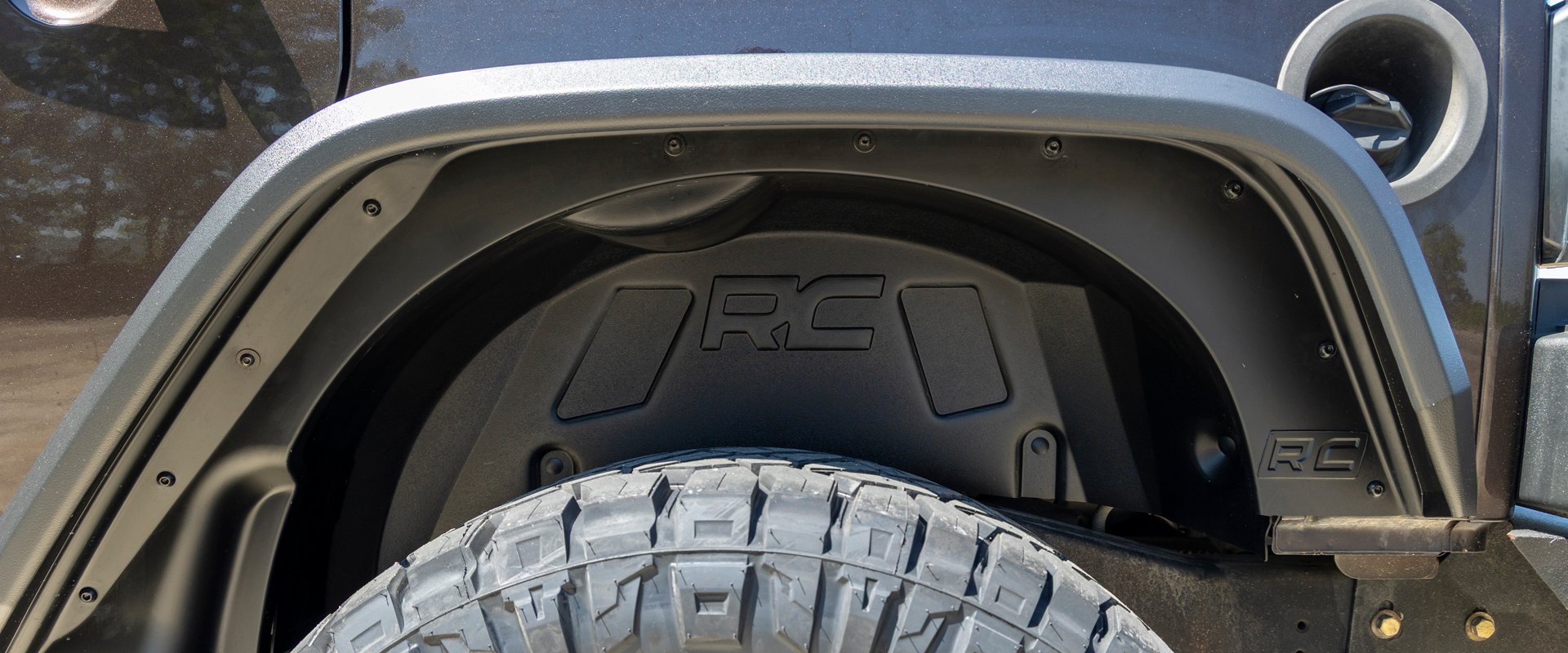
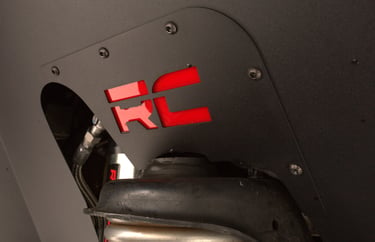
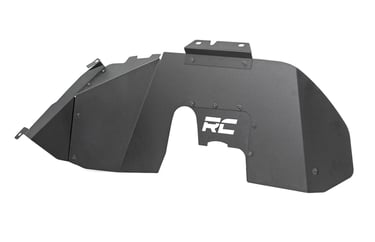
Wheel well liners fit inside the wheel opening between the tire and exposed areas of the truck’s body or frame.
Their main purpose is to create another layer between the tire and the parts behind it.
They help reduce direct exposure to:
- Mud
- Rocks and gravel
- Dirt
- Water and road spray
- Road debris
- Salt and winter grime
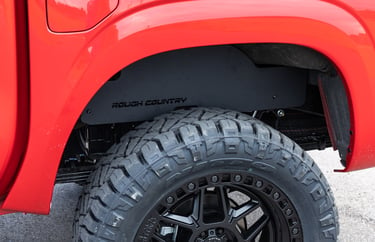
Many aftermarket rear wheel well liners, including options from Rough Country, use durable molded plastic designed to handle impacts, moisture, and changing weather conditions.
Get the Latest from Rough Country
Sign up for our newsletter to receive product updates, exclusive deals, and off-road tips straight to your inbox.
What Do Wheel Well Liners Protect?
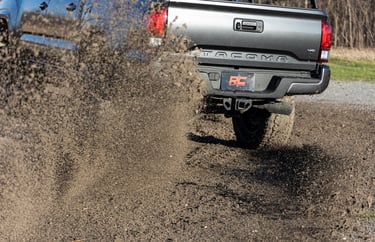
Your tires constantly pick up material from the road and throw it into the wheel wells.
During everyday driving, this includes water, sand, dirt, and small stones. Off pavement, the wheel wells deal with more mud, gravel, and trail debris. In winter, snow, slush, moisture, and road salt add another layer of buildup.
Wheel well liners help reduce the amount of direct contact those materials have with exposed areas behind the tire.
They do not replace regular cleaning. Mud, salt, and debris still need to be washed from the wheel wells and underbody, especially after winter driving or trail use.
What Are the Benefits of Wheel Well Liners?
Wheel well liners offer several practical benefits.
Added Protection
Liners help shield exposed areas from rocks, mud, dirt, salt, water, and other debris kicked up by the tires.
A Cleaner Appearance
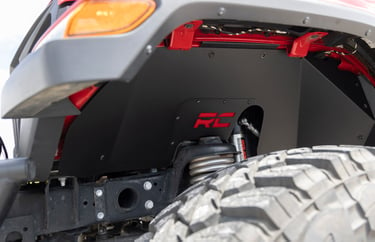
Some trucks leave large portions of the rear wheel well open. Liners cover much of that space and create a more finished look behind the tire.
Easier Cleanup
Open wheel wells have gaps and hard-to-reach areas where mud and grime collect.
A liner creates a smoother surface inside the wheel well, making routine cleaning easier.
A Better Look on Lifted Trucks
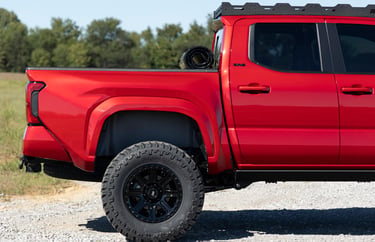
A suspension lift increases the space between the tire and body, which makes more of the wheel well visible.
That extra clearance is part of the lifted look, but it also exposes more of the frame, body, wiring, and other components on some trucks.
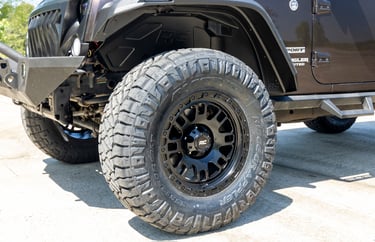
Wheel well liners create a cleaner background behind larger tires and aftermarket wheels.
Do Trucks Already Have Wheel Well Liners?
Some trucks come from the factory with substantial wheel well coverage, while others leave more of the rear wheel wells exposed.
Coverage varies by vehicle, model year, trim, and configuration.
If you look through the rear wheel opening and see large open gaps between the body and frame, aftermarket liners add coverage to those areas.
Factory liners and aftermarket liners also differ in shape, thickness, and the amount of wheel well they cover.
Are Wheel Well Liners Worth It?
For many truck owners, yes.
Wheel well liners make the most sense if your truck regularly sees:
- Gravel or dirt roads
- Muddy trails
- Construction or work sites
- Snow and salted winter roads
- Larger aftermarket tires
- Lifted suspension setups
They also make sense for owners who want a cleaner appearance behind the rear tires.
Even a mostly street-driven truck faces constant road spray, dirt, stones, and grime, so off-road use is not required to benefit from them.
Do Wheel Well Liners Help Prevent Rust?
Wheel well liners help reduce direct exposure to moisture, road salt, and debris that contribute to corrosion.
They do not make a truck rust-proof.
Salt and dirt still work their way around the wheel wells and underbody, so regular washing remains important. This matters most in areas where road crews use salt or other deicing materials during winter.
Why Fall Is a Good Time to Install Wheel Well Liners
Fall is a good time to inspect your truck before winter weather arrives.
Wet roads, mud, fallen leaves, and changing trail conditions create more buildup around the wheel wells. Soon after, snow, slush, and road salt become concerns in many parts of the country.
Before installing liners, clean the wheel wells thoroughly and inspect exposed areas for damage or corrosion.
Starting with a clean surface also makes installation easier and gives you a chance to address any problems before covering the area.
Are Wheel Well Liners Hard to Install?
Installation varies by vehicle and liner design.
Some wheel well liners use factory mounting points or a straightforward bolt-on process. Other applications require drilling or vehicle-specific mounting steps.
Wheel and tire removal is not required for every installation, although taking them off often creates more working room.
Aftermarket fender flares also need temporary removal on some applications.
Always check the installation instructions and fitment notes for your exact year, make, model, and configuration before starting.
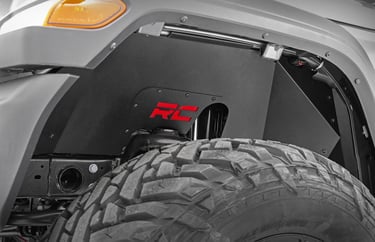
How Do You Choose Wheel Well Liners for Your Truck?
Wheel well liners are vehicle-specific.
Wheel opening shapes, frame designs, mounting points, bed configurations, and factory equipment vary between trucks and model years.
Start by matching the liner to your exact vehicle rather than shopping by truck brand alone.
Pay attention to:
- Year, make, and model
- Bed length
- Trim or suspension package
- Factory wheel well equipment
- Fender flare compatibility
- Drilling requirements
- Other fitment exclusions
Brands such as Rough Country offer vehicle-specific rear wheel well liners for a range of truck applications, but fitment still needs to be checked on the individual product page before ordering.
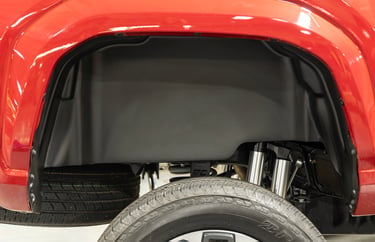
Wheel Well Liners and Lifted Trucks
You do not need wheel well liners simply because your truck has a lift kit.
They are often a good addition, though, because lifting a truck makes more of the wheel well visible.
On some vehicles, the added space above the tire exposes sections of the frame, body, wiring, or other components that were less noticeable at stock height.
A liner fills much of that visual gap and helps finish the look around larger tires.
FAQs
What do wheel well liners do?
Wheel well liners create a barrier inside the wheel well that helps shield exposed areas from mud, rocks, dirt, water, road salt, and other debris.
Are wheel well liners worth adding to a truck?
They are worth considering if your truck has open rear wheel wells, sees rough or dirty driving conditions, travels on salted winter roads, or has a lifted suspension setup.
Do wheel well liners help prevent rust?
They help reduce direct exposure to moisture, salt, and debris associated with corrosion. Regular cleaning still matters.
Do you need wheel well liners with a lift kit?
No. A lift kit does not require wheel well liners. Many owners add them because lifting the truck makes more of the rear wheel well visible.
Do you have to remove the tires to install wheel well liners?
Not always. Installation varies by vehicle. Removing the wheels and tires often gives you more room to work, but some applications install with them in place.